Three Loeries Winners That Prove Rory Sutherland Right (Again)
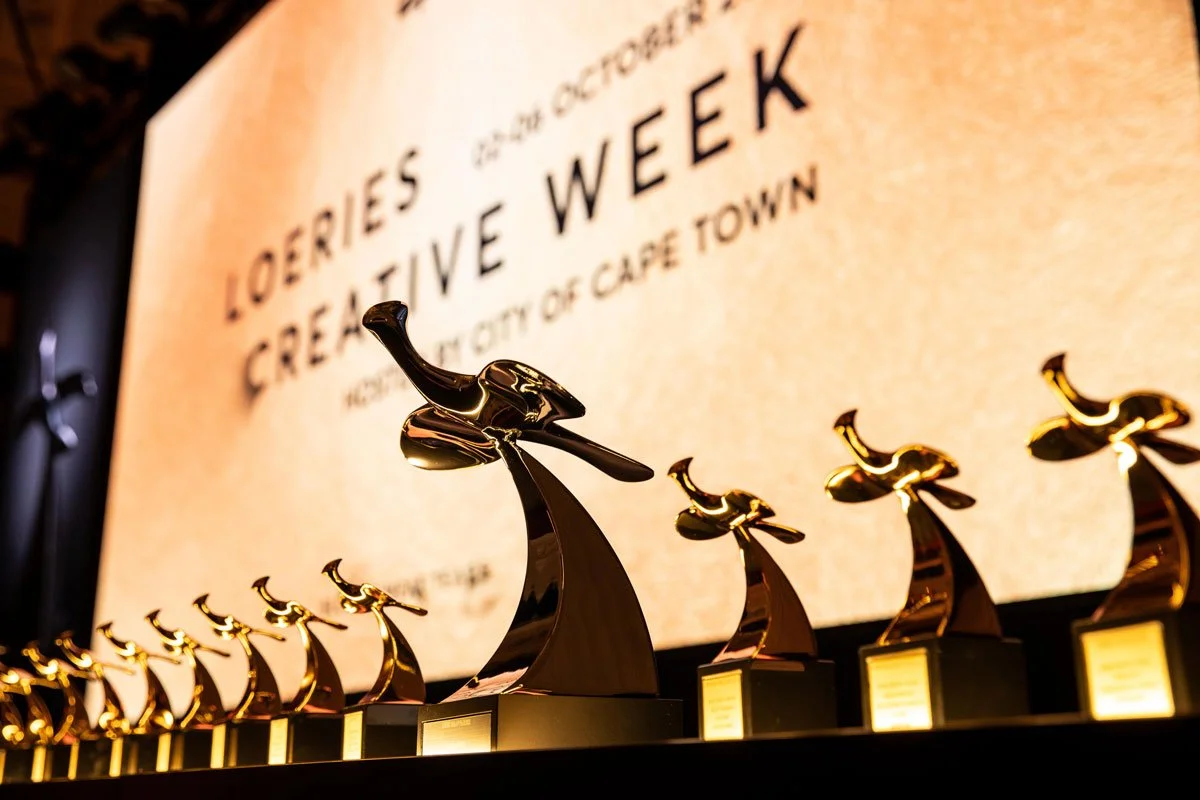
The Loeries - that rare institution where South Africa (and increasingly the broader continent) gathers to celebrate the people who see the world a little differently…
Those who believe a chicken ad can be cinematic art, a sports jersey can send text messages, and your out-of-office email might secretly be a media channel.
Founded in 1978, the Loerie Awards have grown from a modest pat on the back for local creatives into a full-blown festival of persuasion, theatre, and occasional genius.
In October 2025, Durban played host to 2,784 entries and handed out 264 awards - which is either a testament to the abundance of creativity, or a reminder that creatives, like Labradors, thrive on positive reinforcement.
Among the winners, three Grand Prix campaigns stood out.
Not just because they were excellent, but because they demonstrate something Rory Sutherland often bangs on about: the most powerful ideas are rarely logical — they’re delightfully irrational.
Let’s begin.
Chicken Licken – Piki Piki Mabelane
Agency: Joe Public
Award: Grand Prix for Performance Craft
There are two types of fast-food ads: the ones that shout at you about value, and the ones that make you feel something you didn’t expect to feel about fried chicken.
This is very much the latter.
Directed by Karien Cherry, Piki Piki Mabelane tells the story of a man paralysed by indecision - a condition most of us recognise from staring at Netflix for 47 minutes before watching The Office again.
Our hero is stuck choosing between Hot Wings and Chicken Pieces, until he discovers the glorious loophole: at Chicken Licken, you can have both.
Now, in purely rational terms, this is not a groundbreaking product innovation. “Having both” is hardly quantum physics. But here’s the magic: the ad elevates a simple menu truth into a deeply human story.
It’s beautifully shot, charmingly absurd, and - crucially - it respects the audience’s intelligence. It doesn’t scream. It seduces.
And that’s the trick. People don’t buy chicken. They buy the feeling of not having to choose.
Tusker Lager – Stitched with Cheer
Agency: Dentsu Creative, Kenya
Award: Grand Prix (and a historic first for Kenya)
Now this is where things get properly interesting.
Tusker Lager decided that supporting athletes from afar wasn’t quite enough. So instead, they turned Olympic kits into live communication devices.
The Kenyan team wore garments inspired by traditional Maasai textiles - but embedded with LED strips that displayed real-time messages from fans back home.
In other words, your mum could literally cheer you on via your trousers.
This is a wonderful example of what happens when technology is used not to impress, but to connect. The LEDs aren’t the story - the emotion is. The technology simply becomes the delivery mechanism for something ancient and universal: collective pride.
And there’s a deeper layer here. By weaving Maasai design into the kit, the campaign didn’t just modernise tradition - it amplified it.
Culture met code. Heritage met hardware.
Also, let’s not overlook the significance: this was Kenya’s first Grand Prix at an international awards show. Which makes it not just a clever idea, but a symbolic one.
Hongera indeed.
KitKat – Auto Reply_Break
Agency: Publicis Middle East
Award: Grand Prix for Digital Craft – UX
Finally, we arrive at a piece of work that answers a question nobody thought to ask: what if your out-of-office email was… useful?
KitKat - long-time champions of the “Have a Break” platform - spotted an overlooked behavioural moment: when people go on holiday, they set auto-replies that are read by… well, everyone.
Instead of wasting that moment, they turned it into media.
Using ASCII art (a gloriously retro choice), they created personalised, witty auto-replies that not only entertained recipients but also included redeemable codes for a free KitKat.
It’s delightfully mischievous.
No new platform. No massive media spend. Just a clever reframing of something that already exists.
This is classic Sutherland territory: the value wasn’t created by doing more - it was created by seeing differently. The out-of-office reply wasn’t a dead space. It was an underpriced asset.
And suddenly, your inbox becomes a vending machine.
A Final Thought
What ties these three campaigns together isn’t just craft - it’s perspective.
Chicken Licken turned indecision into emotional storytelling.
Tusker turned clothing into connection.
KitKat turned email admin into advertising real estate.
None of these ideas required enormous leaps in technology or budget. They required something rarer: a willingness to look at the familiar and say, “What if this worked differently?”
Which, in the end, is what the Loeries have always celebrated.
Not just creativity.
But the slightly unreasonable belief that the world can be nudged - just a little - into being more interesting.