5 Framing Masterclasses You Might Not Know
“
For there is nothing either good or bad, but thinking makes it so.”
In marketing, framing can make an enormous difference.
Two products can be identical in every practical sense, yet one feels desirable and premium, while the other feels cheap and unappealing.
Often, the difference is not the product itself, but the way it is presented.
The power of framing allows you to change the meaning of something without changing the thing itself.
So, without further ado, here are five brilliant examples of reframing in action.
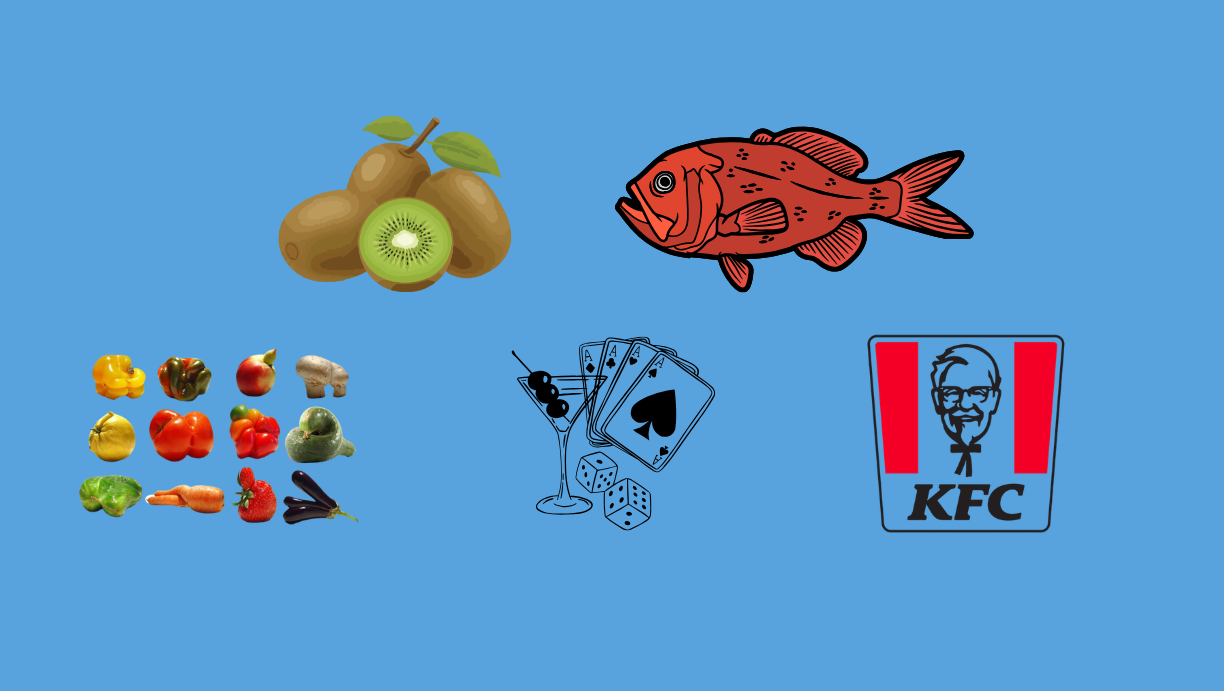
1. Chinese Gooseberry becomes Kiwi Fruit

In the 1950s, New Zealand exporters were trying to sell a fruit called the ‘Chinese gooseberry’ to the American market.
Unfortunately, it was the height of the Cold War, and ‘Chinese gooseberry’ wasn’t exactly a draw card for a US audience.
They needed a new name.
In June 1959, a grower named Jack Turner suggested a new name: kiwifruit, after New Zealand’s national bird.
It was a masterstroke in creative thinking. The new name made the fruit feel exotic and proudly New Zealand.
More importantly, it sounded far more appealing than a sour-tasting gooseberry!
2. How ‘Ugly’ Fruit Became Attractive
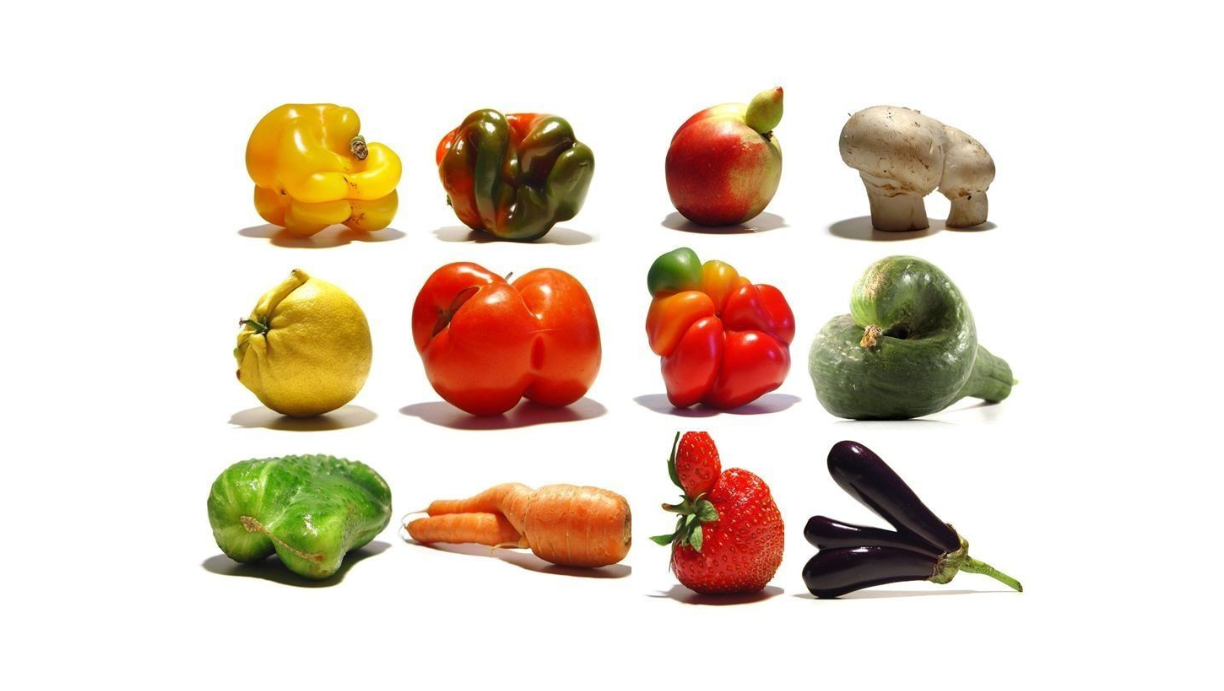
© ugly fruits
In 2014, the French supermarket chain Intermarché faced a problem.
Large quantities of perfectly edible fruit and vegetables were being rejected simply because they were odd-shaped.
Instead of hiding this flaw, Intermarché turned it into the campaign’s core idea.
They launched ‘Inglorious Fruits and Vegetables,’ celebrating oddly shaped fruits and veggies.
What had previously looked defective was suddenly reframed as authentic and worthy of rescue.
It worked brilliantly.
Customers who might once have ignored this produce were happy to buy it, especially as it was sold at a discount.
Intermarché benefited too, because it could buy this fruit and veg more cheaply from suppliers who might otherwise have thrown it away.
Within the first two days, stores sold 1.2 tonnes of the produce and saw foot traffic rise by more than 20%.
Clever thinking had turned a weakness into a selling point.
3. The Slimehead’s Makeover
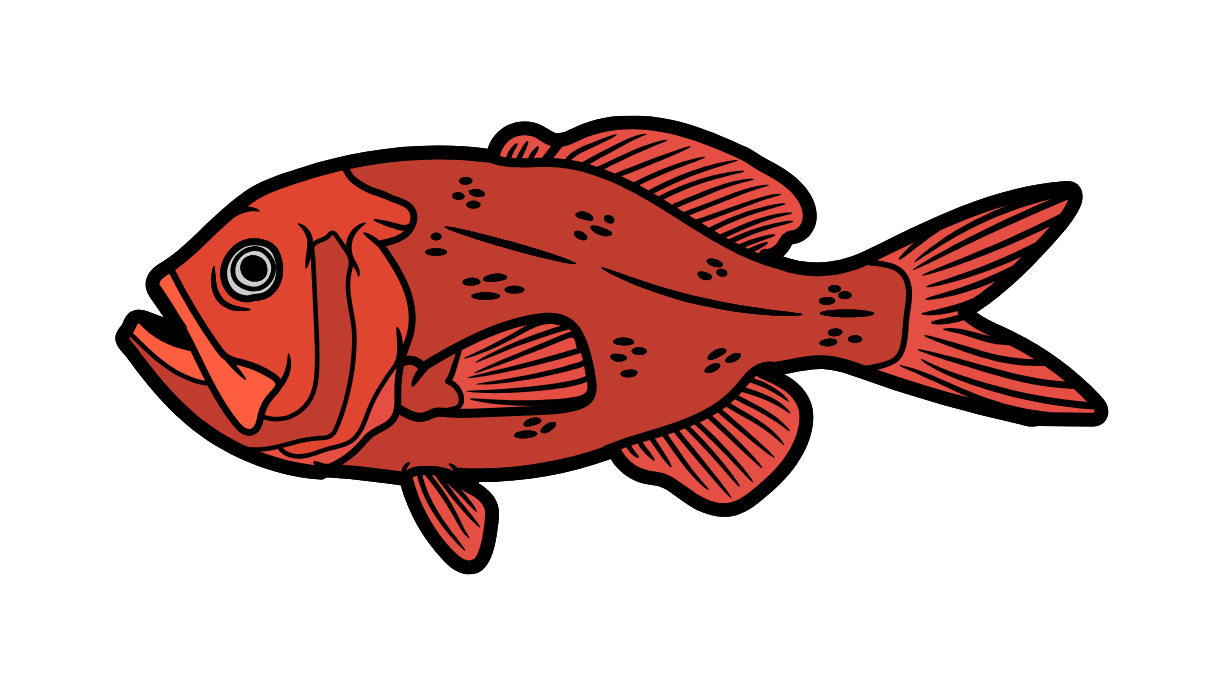
Some products are doomed by poor naming.
Take Hoplostethus atlanticus, a deep-sea fish once known as the ‘slimehead’.
It is hard to imagine a less appetising name appearing on a restaurant menu.
So in the 1970s, the US National Marine Fisheries Service gave it a new name: the orange roughy.
The new label was much more marketable.
It removed the repulsive image of slime (a reference to the fish’s mucus-secreting membranes) and replaced it with something much easier to sell.
Nothing about the fish had changed, but the reaction to it as a meal choice had.
Under its new identity, orange roughy became one of the most popular whitefish in the United States.
4. Why Kentucky Fried Chicken Became KFC
In 1991, Kentucky Fried Chicken officially rebranded as KFC.
By shifting to initials, the brand placed a linguistic buffer between the customer and the least healthy-sounding part of the product.
There was also a more practical reason often cited for the change.
In 1990, the Commonwealth of Kentucky reportedly trademarked its own name and began charging licensing fees to companies using it commercially.
Rebranding to KFC helped the company sidestep those costs as well.
Either way, the shift shows how much power there is in creating distance through language.
5. From Gambling to Gaming
In the 1980s, the US casino industry had an image problem.
As it tried to expand beyond Nevada, the word ‘gambling’ brought a lot of baggage with it.
People associate the term with vice, addiction, organised crime, and financial ruin.
That made it difficult to gain political and regulatory support.
So, instead of talking about gambling, it began referring to itself as the ‘gaming industry’.
It was a clever linguistic shift.
‘Gaming’ makes it sound recreational. It suggests leisure, entertainment, and harmless fun.
Suddenly, it became easier for politicians and regulators to approve Gaming Commissions than Gambling Boards, because one sounded like oversight of entertainment, while the other sounded like supervision of vice.
The Real Lesson?
These examples all show that perception matters a great deal.
A product does not exist in isolation.
It exists in a mental frame made up of associations, comparisons, and context.
Change that frame, and you can change how people feel about the exact same thing.
If a product, idea, or message is struggling, the solution is not always to change the thing itself.
Sometimes the breakthrough comes from changing the way people see it.
If you found this post interesting and you want to learn more about using psychology to change behaviour, try our highly rated and popular Behavioural Economics course made with Rory Sutherland.