
Unintended Consequences: When The Solution Creates Another Problem
“The road to hell is paved with good intentions.”
From fat cat pay to low-fat labels, see the fatal flaw in 'first-order' thinking.
The rapper Jay-Z once had 99 problems, which, let’s face it, is a lot.
But how do we know 98 of them weren’t caused by the initial one?
You see, when you try to solve a problem, you’re usually focused only on the immediate, obvious outcome (known as the ‘first-order effect’). But every action creates ripples.
Those follow-on impacts, the indirect and often unexpected results, are called ‘second-order’ effects.
The ‘law of unintended consequences’ describes what happens when you overlook these secondary effects. Whenever you change a system, it’s essential to think beyond the first order, or you risk creating new problems you never planned for.
Below are some great examples of this phenomenon that hopefully make you think twice when you next tackle a challenging problem, so you don’t wind up like Jay-Z.
1. The Dead Sea Scrolls
When the Dead Sea Scrolls were discovered in 1946, archaeologists hoped locals would help find additional pieces. To encourage this, they offered payment for each fragment recovered.
But the incentive backfired. Instead of turning in intact pieces, locals deliberately broke fragments into smaller bits to earn more money.
In trying to speed up discoveries, the archaeologists unintentionally created more work for themselves.
2. The ‘Doughboy’ Helmet
War is brutally violent, and WWI was no exception. To reduce injuries, John Leopold Brodie invented the steel ‘tin hat,’ replacing the flimsy cloth caps soldiers had worn until then.
The goal was simple: fewer injuries, fewer field hospitals, and fewer medical staff needed. But the opposite happened. Injuries requiring treatment actually increased, and more hospitals were needed.
Why? Because the cloth caps had offered almost no protection, many soldiers who would once have died outright now survived (injured, but alive). The tin hat raised survival rates, which, in turn, increased the number of casualties requiring care.
3. The Cobra Effect
The Indian cobra is highly venomous and often lives near cities. During British rule, officials in Delhi tried to reduce their numbers by offering a bounty for every dead cobra. At first, it worked. Then payouts suddenly surged.
An investigation found that locals were breeding cobras just to kill them for reward money. Outraged, the Government scrapped the scheme. The breeders, now stuck with worthless snakes, released them, putting even more cobras on the streets than before. Oops.
4. Police Aware
Abandoned cars are a growing nuisance in the UK. To tell the difference between a long-parked car and a truly abandoned one, police attach a ‘police aware’ sticker. But this creates an unintended effect: it invites vandals.
The sticker signals that the owner has effectively given up the vehicle, making people feel it’s fair game for stripping or damage.
5. City Pollution
In the 1980s, Athens introduced a seemingly simple anti-pollution rule: cars with odd-numbered plates could drive on odd-numbered days, and those with even-numbered plates on even-numbered days.
Wealthier residents simply bought a second car (often an older, dirtier one) to get around the restriction. The result? More traffic, more congestion, and even worse pollution than before.
6. Weekend Getaway
In the mid-1960s, the resort town of Atami pushed hard for a high-speed bullet train connection to Tokyo, then a three-hour journey.
But once the line opened, tourism unexpectedly fell. Part of the charm of a weekend getaway vanished when the once-distant retreat could be reached in just fifty minutes.
7. Second-Hand Clothes
Charitable efforts can sometimes do more harm than good.
In Zambia, for instance, the local clothing and fashion industries were gutted after a flood of inexpensive second-hand clothes from the UK (imported by Oxfam) undercut home-grown businesses.
8. Executive Pay
When President Clinton restricted tax breaks for executive pay but exempted performance-based rewards, companies simply shifted compensation from salaries to stock options.
During his presidency, the value of options granted to top employees soared tenfold, helped by a booming stock market. The pay gap between executives and workers widened dramatically. Precisely the opposite of what his policy intended!
9. Cane Toads
Queensland grows about 35 million tonnes of sugarcane a year. Some is made into Bundaberg rum, but most is exported as refined sugar, making crop damage a serious economic threat.
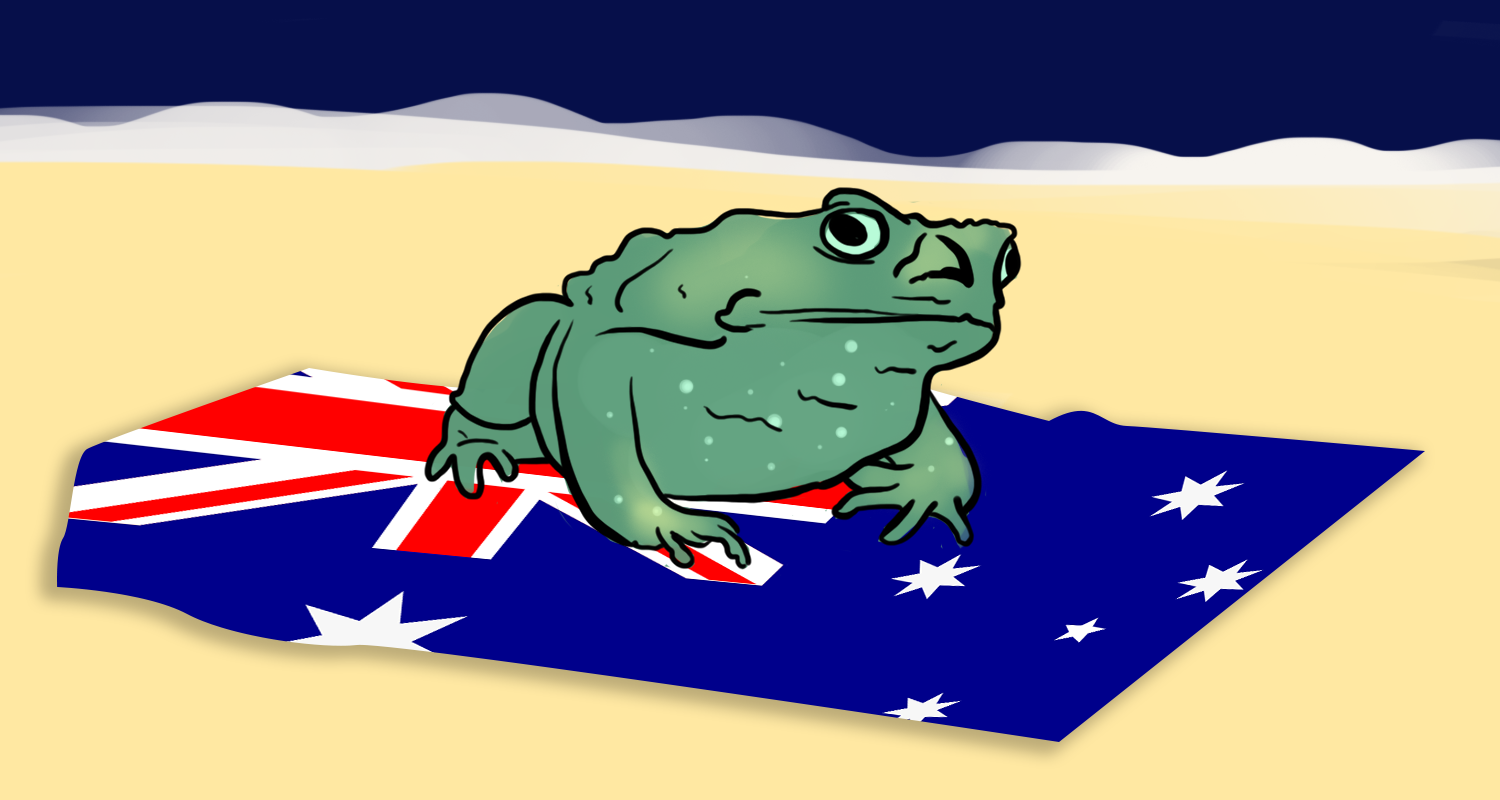
In 1935, the Bureau of Sugar Experiment Stations introduced cane toads from South America to control beetles eating the crops. It sounded clever: the toads would eat the pests and save the sugarcane.
But it backfired spectacularly. With no natural predators or diseases to keep them in check, the poisonous cane toads multiplied rapidly. Pets were poisoned, gardens swarmed at night, and locals resorted to golf clubs and cricket bats in a futile attempt to control them.
Today, an estimated 1.5 billion cane toads live across Queensland, the Northern Territory and Western Australia.
10. Low-Fat Foods
In the late 1980s and 1990s, public health campaigns urged people to avoid fat.
Food companies responded with a wave of ‘low-fat’ products. But when fat was removed, the flavour disappeared, so manufacturers added sugar, salt, and thickeners to make the food more appealing.
Believing these products were healthy, people ate more of them. The result? Sugar intake soared, and the obesity problem the policy aimed to fix only grew worse.